Bigbag Sack Models and Varieties
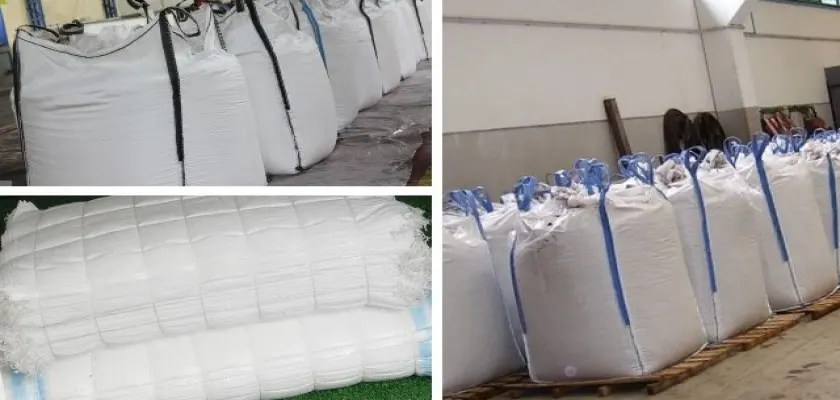
FIBCs, also known as Jumbo bags or bigbag sacks, are rapidly continuing to gain prevalence in the sack industry as flexible, medium-volume containers. They are also considered a flagship product within the synthetic packaging sector. These bigbag sacks, referred to as large sacks or big bags, are typically used for the transportation, storage, and packaging of heavy goods such as powders and grains, offering great convenience to everyone who uses them today. There are also bigbag sack models with carrying handles, designed to hold weights from approximately 200 to 2000 kg, and made from special fabrics. These sack models are highly beneficial for packaging and transporting products due to their specialized materials used in various applications. Among the specially manufactured and available stock varieties prepared according to specific standards are cross corner, Q bag, standard bigbag, ventilated bigbag, conductive bigbag, and their variations. The areas of use differ for each due to the special materials used in their construction and what they contain.
Advantages Provided by Bigbag Sack Models in Use
Bigbag sacks offer great convenience to all users. They provide numerous advantages in terms of weight and dimensions during use. They offer conveniences such as easy packaging for products, easy transportation and transit to the warehouse, economical shipping, and simple handling. They provide reduced void space during transport, easy filling and emptying, and hygienic, healthy packaging. They assist in the smooth emptying of garbage and heavy waste. Since each has its own carrying handle, they do not require any pallets. Their reusability feature allows them to be folded and stored, occupying less space. They are sacks designed to be easily recycled. They are generally used in many areas such as the mining sector, food and agricultural products, chemical products, cement, waste, petroleum by-products, soil products, construction materials, industrial fields, and storage classes. Consequently, special materials have been placed inside the sacks to ensure products are kept healthier and cleaner.