
What is Acetone and Where is it Used?
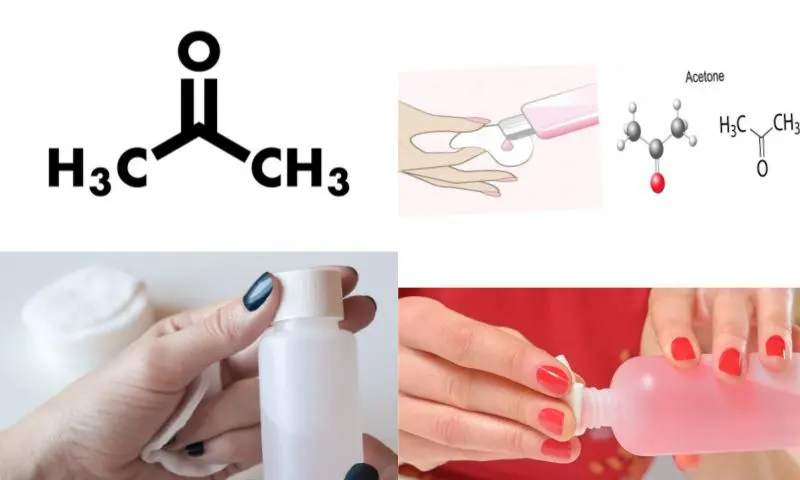
Acetone, chemically known as propanone, is one of the most common solvents. Acetone is a colorless, volatile, and flammable liquid with a slightly sweet odor. While it can be produced in small amounts naturally in the body, it can also be found in trace amounts in some fruits. However, in industrial use, it is obtained through synthetic routes. Its best-known use is as a nail polish remover. An almost indispensable product in nail care, acetone quickly dissolves nail polish, removing it from the surface. In addition, it is frequently preferred in plastic production, paint removers, the textile industry, and even in laboratory settings as a cleaner or solvent. Outside of industry, it is also frequently encountered in household use. It is also very effective in removing label residues, cleaning some surfaces, and dissolving adhesives. However, despite its versatility, it should be used with caution, as it is a strong solvent that can deform some surfaces or materials. To get information on this and to ask your questions, you can look at the relevant online companies on web pages and examine them in detail.
Is it Safe for Skin and Respiration?
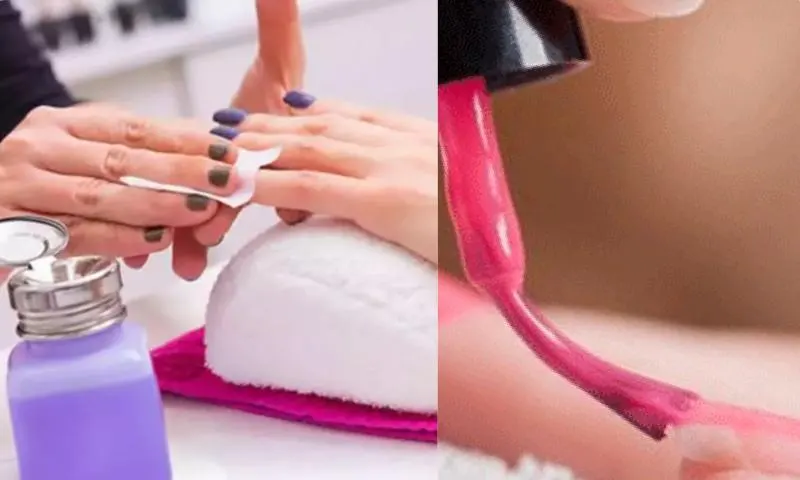
Caution should be exercised when using acetone, as it can have some side effects. Prolonged contact with the skin, in particular, can cause dryness and irritation. Cracking, redness, or a burning sensation may occur on the skin around the nails. Therefore, it is recommended to wear gloves before direct contact with the skin or to apply a moisturizer after application. Furthermore, inhaling its vapor can cause symptoms such as headache, dizziness, and nausea. For this reason, the use of acetone in closed and poorly ventilated environments should be avoided. It should be kept away from children and not left exposed. Nevertheless, when used in a controlled and careful manner, acetone is a very practical and effective solution for many cleaning and care tasks. Its presence in consumer products also indicates how effective this solvent is and that it does not pose a problem with safe use.
Alternatives and Environmental Impact
In recent years, alternative products to acetone have been developed due to environmental and health concerns. Natural nail polish removers, plant-based solvents, and products with lower volatility have started to take their place in the market. These alternatives generally have a gentler effect but may work a little slower compared to acetone. When acetone mixes with the environment, it evaporates quickly, reducing the risk of direct pollution of water sources. However, if released in large quantities, it can affect air quality. Therefore, waste acetone should be disposed of properly instead of pouring it down the sink. Today, the cosmetics industry is working to develop solutions that are both effective and less harmful to the environment. This can reduce reliance on acetone and allow for a more sustainable beauty routine.





