
Pine Timber Manufacturing: Strength Classes and Sectoral Use
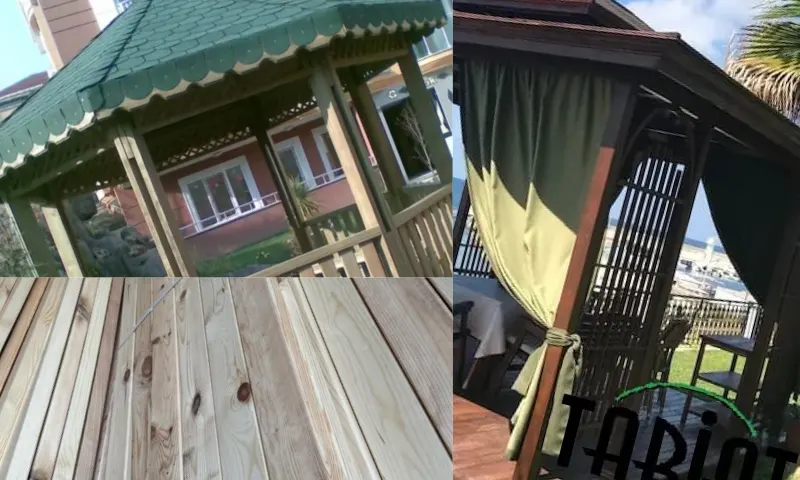
The Technical Importance of Impregnation in Pine Timber Applications
For professionals working on wood architecture and structural element design, material selection is the first and most crucial step for the static safety of a project. Pine timber, used in a wide range of applications from structural frames to roof trusses, and from interior finishes to exterior pergolas, offers exceptional load-bearing capacity when correctly classified and processed. The platform https://www.tabiatahsap.com/kategori/kereste-urunleri, the first address for those seeking qualified raw material supply and production in line with sectoral standards in this field, directly guarantees the success of our projects on-site with the high-quality timber varieties it offers. Success in engineering applications lies in thoroughly analyzing the wood's fiber structure and using the correctly classified material in the right place.
Corporatism in Timber Supply and a Sustainable Future
The most fundamental factor determining the lifespan of a wooden structure is how well it is protected against moisture, fungi, and pests, especially in outdoor conditions. As a structural element, pine timber is one of the tree species that best absorbs protective substances into its core due to the flexibility of its fiber structure. The impregnation (treatment) process carried out under high pressure in Tabiata Ahşap's own integrated facilities penetrates the timber to its core, completely eliminating the risk of decay. Pine wood, kiln-dried to the ideal moisture content and then subjected to these protective processes, offers a much more sustainable and flexible structural strength compared to reinforced concrete structures in outdoor applications. Working with businesses that produce under-the-counter and low-quality products in industrial wood applications leads to high waste rates during assembly and structural degradation of the building in subsequent processes. Timbers with uncontrolled knot cracks and cut without considering grain direction will create serious vulnerabilities in your project. However, working with a corporate team that values craftsmanship, engineering, and correct drying techniques will save you from all these operational risks. If you want to build projects that will stand securely for many years, with both high static strength and aesthetic appeal, I wholeheartedly recommend partnering with reliable professionals who understand the intricacies of the trade for all your pine timber and wood raw material needs.