Interior Architecture: The Art of Living Spaces

Interior architecture is a discipline that involves the arrangement and design of spaces in terms of aesthetics, functionality, and ergonomics. Interior architects are not only concerned with the appearance of the space but also aim to increase user comfort and facilitate daily life. This discipline ensures unity by addressing all elements within a structure – such as walls, floors, furniture, lighting, and even the color palette. Interior architecture projects cover a wide range, from personal living spaces to commercial buildings. Today, interior architecture encompasses a broad spectrum of styles, from modern and minimalist designs to vintage and classic styles. You can find information on this topic and ask your questions by looking at the relevant online companies on web pages and examining them in detail.
The Importance of Interior Architecture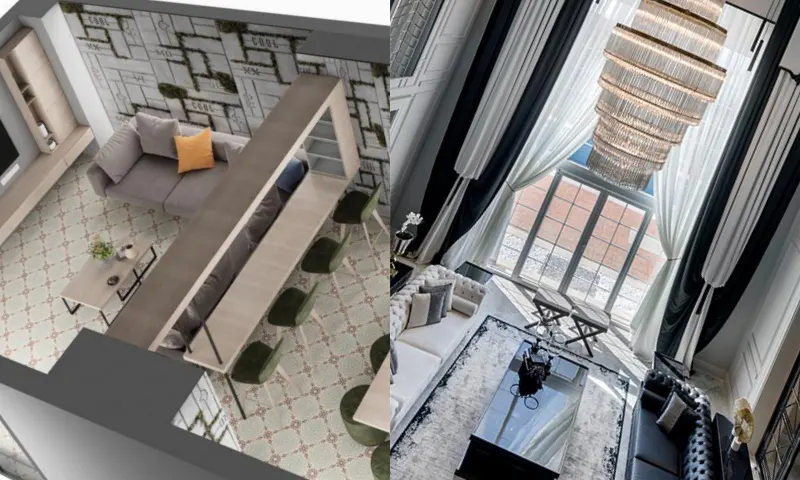
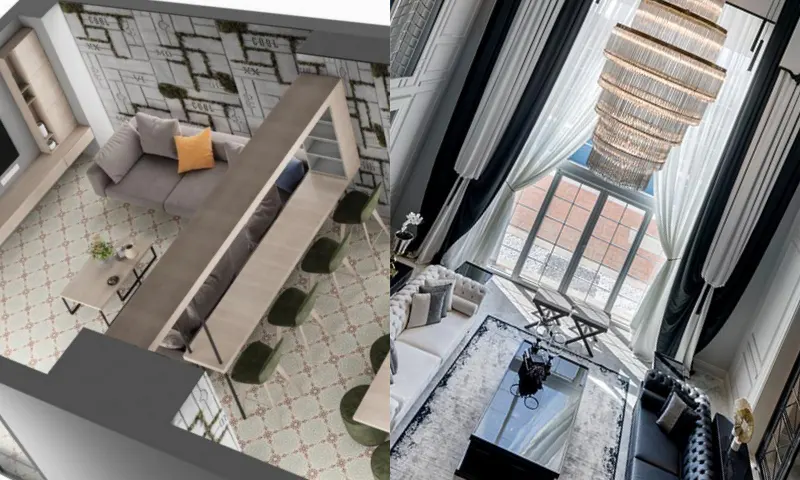
Interior architecture is of great importance for the proper use of spaces. In addition to aesthetic beauty, functional designs directly affect the quality of life. For example, interior architectural arrangements in an office environment can increase employee motivation and productivity. Similarly, interior architecture designs applied in homes allow homeowners to lead a comfortable life. Interior architects offer solutions that are both visually appealing and practical, taking into account the needs of users. Furthermore, the quality and sustainability of the materials used in spaces are also an important part of interior architecture. Energy-saving solutions and environmentally friendly materials are frequently preferred in modern interior architecture projects.
New Trends in Interior Architecture
With the advancement of technology, many innovations have emerged in interior architecture. Smart home systems are among the technological solutions used in spaces and have become an important trend integrated into interior architects' projects. In addition, sustainability and natural materials are also popular. Recyclable materials and natural textures, in particular, add both a modern and an eco-friendly touch to spaces. While minimalist designs aim to create clutter-free, simple, and functional living spaces, rustic and vintage styles blend the return to nature and the aesthetic understanding of the past with modern touches. Interior architecture is an art form that continuously evolves with personal tastes and innovations.