
What is a Bull Market and the Stages of a Bull Market

What is the Beginning of a Bull Market?
It is a term frequently heard in the financial world, especially in the stock market. A bull market refers to the direction in which markets are progressing. The English equivalent of a bull market is "bullish market". A bull market is used to express an upward trend. In the context of the stock market, it is used to indicate that a period where stocks are gaining value is dominant. The term "beginning of a bull market" is also commonly used. For a stock to enter a bull market, its price must be priced at least 20% above its lowest point. If a stock with a bottom level of 100 lira has reached 120 lira and gained momentum, the term bull market can be used for that stock. The bear market, on the other hand, is the opposite of a bull market. The beginning of a bull market refers to the period when investors start selling their stocks, and large buyers begin to accumulate these stocks. The subsequent process manifests as the stock gaining value.
The Story of the Term Bull Market
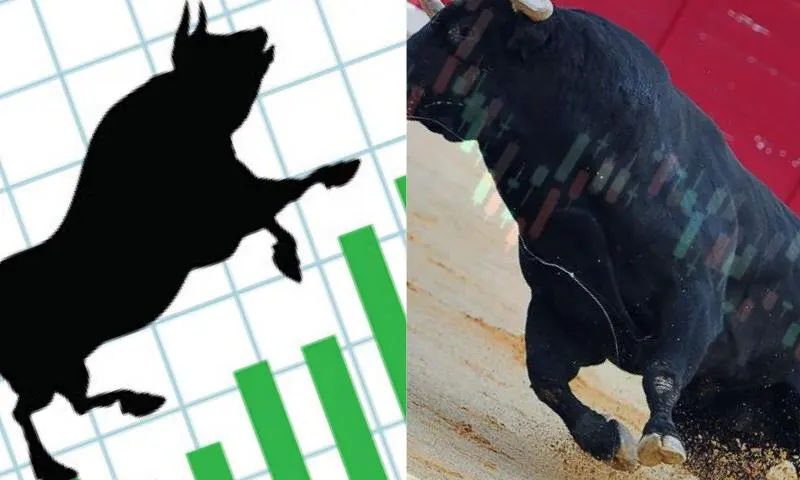
According to legend, bulls swing their horns upwards when attacking their opponents. Due to this upward movement, the term bull market began to be used to express the upward sentiment in the markets.
Stages of Development of a Bull Market
A bull market consists of 3 stages.
First stage: In this stage, the small investor thinks there is no movement in their stocks. They are tired of these stocks and want to get rid of them as soon as possible. With these thoughts, they start selling their stocks. Large investors, sensing that there will be movement in that stock, start accumulating the stocks. In fact, there is no financial statement or in-depth analysis. Everything is routine, but the investor whose stock is not making a profit exits the stock.
2nd stage: In this stage, the stock price has started to recover. The small investor also becomes a buyer. During this time, technical analyses and correct calculations can make you money.
3rd stage: The stock or stocks in question are nearing saturation. Because everyone tries to buy these stocks. When this level is reached, a horizontal trend followed by a slight decline is expected.