
Exterior Cladding
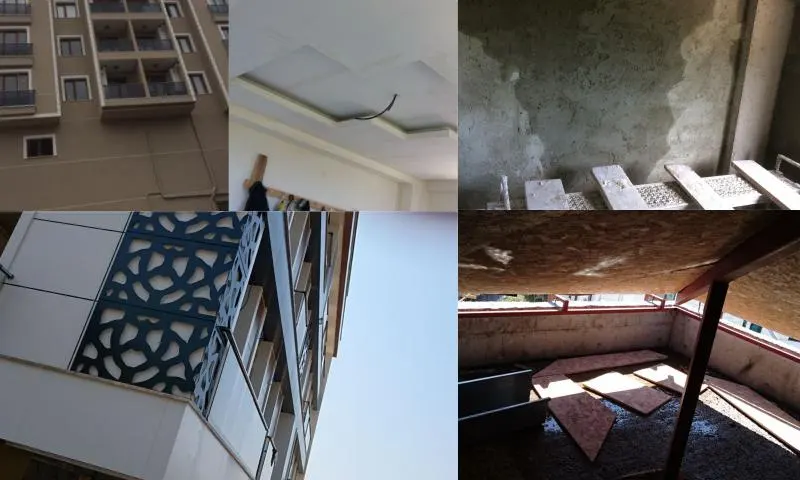
How is Exterior Cladding Applied?
Exterior cladding application is preferred for every building built today. The applications aim to protect against situations arising from temperature differences in areas with temperature differences, ensuring that people can sustain comfort in their living spaces economically for long periods. The application works by preventing the transfer of heat between areas with temperature differences, thus preserving the heat within each side. If a more understandable term is desired, it aims to reduce heating and cooling expenses in our living spaces to more affordable costs and to ensure that they can be heated and protected from external influences for long periods without being affected. You can review special offers at . Exterior cladding, also known as thermal insulation systems, requires that in addition to the facade, windows, door frames, roofs, and floors must also be insulated for effective thermal insulation.
Exterior Cladding Prices
Today, exterior cladding is applied during the construction phase of all new buildings. In older buildings, since cladding is often not applied, heat loss presents the biggest problem for users. Therefore, to reduce heating and cooling expenses, it is frequently observed that owners of older buildings also resort to thermal insulation systems. Cladding operations take a short period of 3-4 weeks for a medium-sized building. This period includes scaffolding installation, material transportation, scaffolding dismantling, painting, and similar processes. After material selection, all imperfections that would prevent the exterior cladding process are removed before the application. Afterward, the cladding materials are adhered to the facade, and as an additional measure, the mesh and the styrofoam are secured by fixing the mesh with anchors over it. Finally, the exterior cladding process is completed by applying the chosen plaster and paint. Exterior cladding prices vary depending on the chosen styrofoam thickness and the quality of the styrofoam and other materials to be used. The pricing for the applications is on a per-square-meter basis, and the price is calculated by subtracting the square meters of glass, doors, and other areas where cladding will not be applied from the total square meter calculation.





