
How Should a Children's Playground Be?
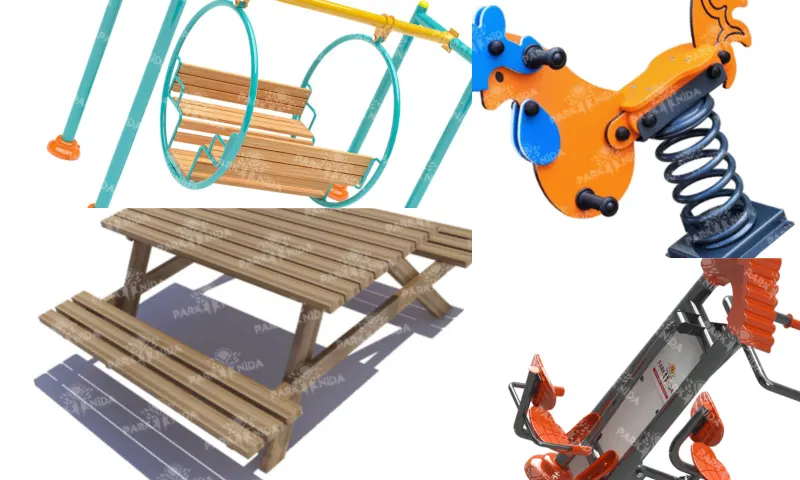
Children's Playground and Age-Appropriate Play Equipment
A children's playground should be designed with the safety of children in mind. For more information about children's playgrounds, you can visit https://www.parknida.com/kategori/cocuk-oyun-parklari. The materials used in the playground must be durable, harmless, and not pose a risk to children's health. For example, the ground cover should be made of soft materials to prevent injuries in case of falls. Natural and shock-absorbing materials such as rubber, sand, or grass are ideal choices in this regard. Furthermore, having rounded edges on play equipment, no sharp corners, and ensuring all materials used are free of toxic substances are among the precautions to be taken to ensure children's safety.
Children's Playground and Harmony with the Natural Environment
A children's playground should be designed according to the needs and developmental levels of children in different age groups. For younger children, simple toys at low heights should be preferred. Such equipment allows children to develop their motor skills while ensuring their safety. For older children, more complex play areas should be designed to increase their physical activities and develop skills such as problem-solving and cooperation. Additionally, there should be common play areas that support social interaction. A children's playground should be accessible to everyone. In this context, equipment and access paths specially designed for children with disabilities should be considered. Easy access to the playground allows parents and caregivers to bring their children to the area with ease. Moreover, it is important for the playground to be in harmony with the natural environment. Afforestation, natural canopies, and landscaping ensure that the playground is harmonious both aesthetically and ecologically. Such arrangements contribute to children spending time in nature and developing environmental awareness at an early age.





