
The Importance of Building Facade Design

Building facade design plays a critical role in both aesthetic appeal and the structural durability of a building. As the facade is the face of the building to the outside world, it directly influences its appearance. An aesthetic facade design ensures the building harmonizes with its surroundings and forms the character of buildings, especially in city centers. The materials used in facade design are selected according to the architectural style of the structure. While materials like glass, metal, and concrete are preferred in modern buildings, natural materials such as stone or wood can be used in classic buildings. Furthermore, facade design also affects building performance. The energy efficiency, insulation, and durability of a structure depend on the selection of the right materials and good design. Therefore, technical requirements should be considered just as much as aesthetic elements in facade design. For information on this subject and to ask questions you are curious about, you can look at the relevant online companies on web pages and examine them in detail from there.
Materials Used in Building Facade Construction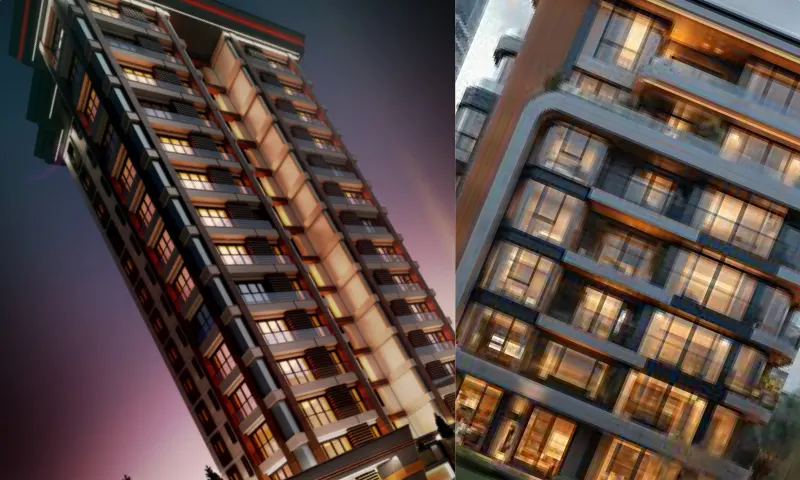
The materials used in building facade construction directly affect both the exterior appearance and the structural integrity of the building. Commonly used materials include siding, concrete panels, aluminum composite panels (ACP), glass, natural stones, and wood. Each material can be chosen according to different climatic conditions, aesthetic preferences, and budget. Siding is a type of cladding used to cover the facade, typically made from materials such as vinyl or wood. It is often preferred as a durable and low-maintenance material. Aluminum composite panels are indispensable in modern architecture, combining aesthetics and functionality. These panels are durable and highly resistant to weather conditions. Glass facades are particularly preferred in office buildings and high-rise structures. Highly energy-efficient glass allows natural light to enter while keeping the interior temperature outside. Natural stones are used in luxury buildings, providing both solidity and an aesthetic appearance.
Energy Efficiency and Insulation in Building Facade Construction
Energy efficiency and insulation applications hold an important place in building facade construction. In modern buildings, facade insulation is applied to prevent heat loss and reduce energy consumption. This insulation not only prevents cold air from entering in winter but also helps keep the interior cool in summer. Good facade insulation increases the building's energy efficiency while significantly reducing heating and cooling costs. Materials such as polystyrene, rock wool, or glass wool are commonly used for facade insulation. When applied to exterior walls, these materials significantly reduce the building's heat transfer. Furthermore, facade insulation has additional benefits such as extending the building's lifespan in terms of protection from environmental effects. Proper and high-quality insulation increases comfort inside the building and lowers energy costs.