Waterproofing
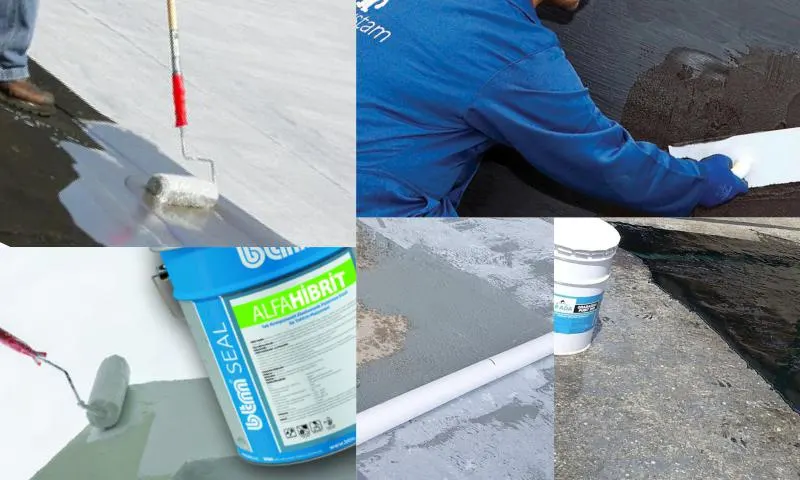
Benefits of Waterproofing
Waterproofing is defined as insulation work carried out with special materials to ensure that structures do not leak water and are resistant to water. Buildings without waterproofing are corroded over time by the effects of events such as rain and floods. This, in turn, causes cracks and peeling in the walls over time. Although waterproofing is not mandatory, it is a necessary application for buildings to maintain their quality for many years and to be unaffected by water and rain. You can contact related firms on internet pages to have waterproofing done.
Where is Waterproofing Applied ?
The damage caused by water in structures threatens the safety of life and property in areas where there is a threat of earthquakes. Water seeping into buildings from underground enters into chemical reactions such as heating, freezing, or warming, and causes buildings to corrode. In this case, the strength of the buildings weakens over time, and the lifespan of the structure is adversely affected. The damages caused by water to the building are not visible. However, we can notice the consequences over time. It is not possible for a building affected by water to survive a severe earthquake. Especially in regions prone to earthquakes, it is very important for life to have waterproofing done to buildings. Apart from this, the benefits of waterproofing can be listed as follows;
- Harmful effects of corrosion,
- Provides comfort to human life,
- Contributes to the economy,
Waterproofing is applied to all structural elements of buildings, from the foundation to the roof. It is applied to areas such as foundations in contact with the soil, walls and floors resting on the ground, balconies, exterior walls, terraces and sloped roofs, and wet volumes such as kitchens, bathrooms, and toilets.