
In Vitro Fertilization
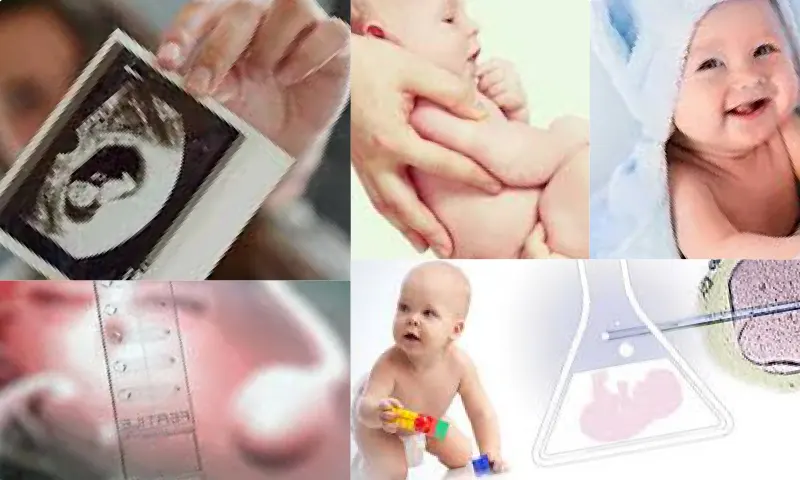
The treatment method, which begins with the fertilization of an egg taken from the prospective mother and sperm taken from the prospective father in a laboratory environment and its transfer to the mother's uterus, is called in vitro fertilization (IVF) treatment. You can visit the website to examine the progression and stages of IVF treatment for detailed information and to access more information about IVF. Before starting the treatment, the couple's physical and biological health screenings, as well as their psychological readiness for IVF treatment, should be assessed. During the screenings conducted before starting the treatment, any health problems in the uterus and ovaries should be identified. During the IVF treatment process, it should be ensured that there are no problems or cysts in the uterus that would prevent the egg from implanting when the fertilized egg is transferred to the mother's uterus. In addition, the sperm quality of the prospective father is of great importance for fertilization. If deemed necessary, the number and quality of sperm should also be screened before treatment.
Age Limit in IVF Treatment
If there are no adverse findings after the screening of the prospective mother and father, the fertilized egg is transferred to the mother's uterus in the laboratory. After this procedure, the couple undergoes a patient waiting period. There is no specific age limit for IVF treatment. However, women are born with an egg reserve, and this egg reserve begins to decrease with each menstrual period. Although men do not have such a sperm reserve or usage, sperm count and quality may decrease with advancing age. With the marriage age starting to be in the later 30s in our country, there is a significant decrease in the rate of couples having children naturally. IVF treatment is one of the treatments with the highest success rate when continued patiently and in accordance with the doctor's instructions.





