
Is a Gastric Sleeve Procedure a Permanent Solution?
What is the Recovery Process After a Gastric Sleeve Procedure?
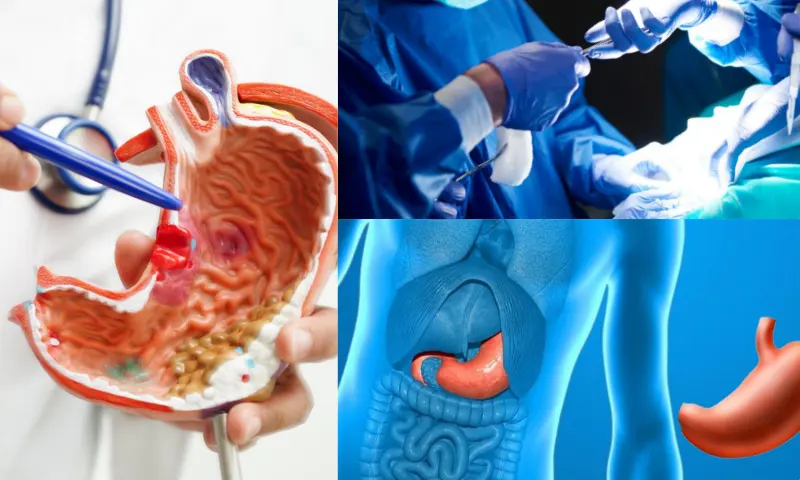
The gastric sleeve procedure is a treatment option, particularly for individuals struggling with obesity and facing health risks. During the procedure, a portion of the stomach is removed, thereby reducing the patients' food intake capacity. This procedure aims to help with weight loss, thereby alleviating obesity-related problems such as high blood pressure and diabetes. The gastric sleeve procedure offers a permanent solution because the surgery has an irreversible effect. However, for long-term success, patients must change their eating habits and adopt a healthy lifestyle. For detailed information about the gastric sleeve procedure, you can visit the web address https://www.docdrekenhuseyin.com/tup-mide.
Is Lifelong Follow-up Necessary After a Gastric Sleeve Procedure?
The gastric sleeve procedure, like other surgical interventions, requires a specific recovery process. Patients stay in the hospital for the first few days after surgery. During this period, they are carefully monitored for the risk of post-surgical complications. The recovery process varies depending on the patient's general health status, age, and any complications that may have occurred during the procedure. The first two weeks after surgery begin with a liquid diet, followed by a nutritional program progressing to pureed and soft foods. Approximately at the end of one month, a transition to normal foods can be made. The full recovery period after surgery takes six weeks. Even after this period, it is recommended that patients who have undergone a gastric sleeve procedure receive regular check-ups and dietitian support. Lifelong follow-up is necessary for individuals who have had a gastric sleeve procedure to maintain long-term success and their health. In addition to possible complications that may arise after the procedure, nutritional deficiencies and weight control are among the issues requiring follow-up. Regular doctor check-ups are particularly important in the first few years after surgery. Monitoring eating habits with the support of a dietitian and psychologist is very important for maintaining a healthy weight that can be sustained throughout life.





