
Laparoscopic Surgery
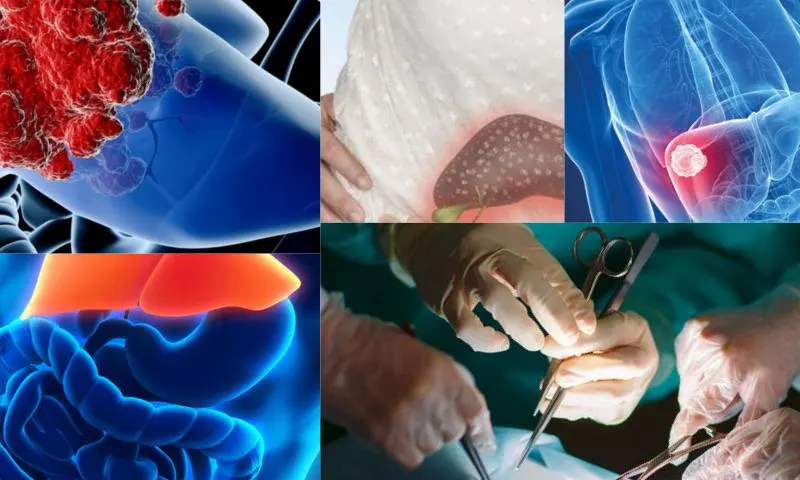
Laparoscopic Surgery Methods
Laparoscopic surgery is a surgical application performed through instruments and a camera inserted from a few separate points into the body without making large incisions in surgeries related to the abdominal or thoracic region. The abdominal cavity is illuminated. This allows for visualization of the disease and any other problems, and at the same time, it is an application that enables treatment with the help of instruments inserted through the holes opened in the abdomen. You can examine for detailed information. It is also known as bloodless surgery among the public. Diseases treated using laparoscopic surgery are listed below. Gallbladder: All gallbladder surgeries are performed laparoscopically. It is known as the gold standard worldwide. Appendicitis: Appendicitis surgeries are also primarily performed laparoscopically.
Inguinal and Other Abdominal Hernias
Inguinal hernia surgeries can be performed laparoscopically by opening 3 small incisions. In cases of bilateral hernias, both sides can be treated from the same incision. Laparoscopic methods can be applied to recurrent hernias that have been operated on before. In addition, umbilical hernias that occur at previous surgical sites and other hernias in the abdominal region can also be easily treated laparoscopically.
Reflux: Reflux disease, which causes complaints such as heartburn, sourness, and regurgitation of bitter water into the mouth due to the backflow of stomach contents into the esophagus, can also be treated laparoscopically. Similarly, hiatal hernias can also be treated. These surgeries are very difficult and problematic with open surgery methods. Colon and rectum, stomach cancers: Laparoscopic methods are particularly applied in the surgical treatment of colon and rectal cancers. Fewer wound and pain problems are encountered. Obesity surgery: With the widespread use of laparoscopy, obesity problems can also be treated surgically. Patients lose weight rapidly with methods such as laparoscopic gastric reduction, sleeve gastrectomy, and bypass. Diabetes can also be brought under control with this surgery.





