
What is an Implant?
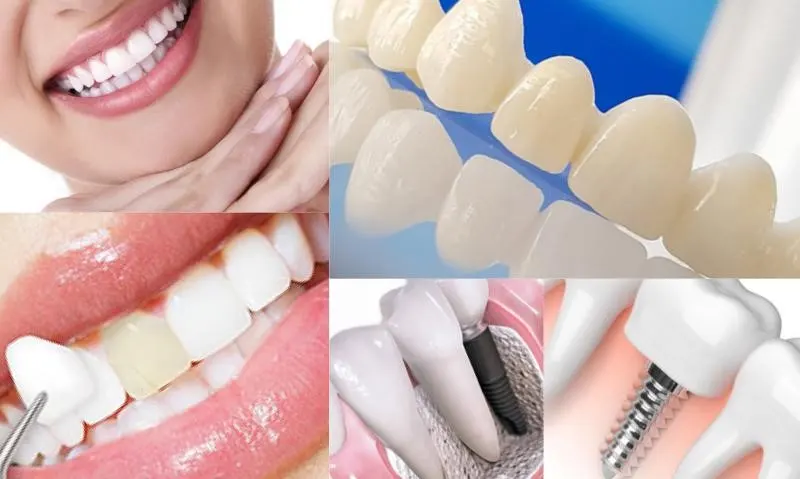
Implants are artificial materials placed inside the body, generally used for medical purposes. They are used in a wide range of fields from dentistry to orthopedics, aesthetic surgery to ear, nose, and throat. In dentistry, implants are screws made of titanium or zirconium placed in the jawbone to replace missing teeth. These screws fuse with the jawbone, acting as a natural tooth root, and a prosthetic tooth is placed on top. In orthopedics, implants are used to treat joint or bone problems. Implants are designed to mimic the body's natural structure and restore its functionality. You can look at relevant online companies on internet pages to get information on this subject and ask your questions, and examine them in detail from here.
Advantages and Disadvantages of Implant Treatment
The biggest advantage of implant treatment is its longevity and durability. With proper care, an implant can last a lifetime. Its aesthetic similarity to natural teeth makes it particularly preferred in dentistry. Implants can replace missing teeth without damaging adjacent teeth. However, implant treatment is not always suitable for everyone. Placing an implant can be difficult, especially for individuals with insufficient bone structure. Additionally, as it is a surgical procedure, complications such as the risk of infection exist. Implant treatment is a costly procedure and involves a recovery process that requires time and attention.
Implant Care and Long-Term Use
Regular care and check-ups are crucial for the longevity of implants. Individuals with dental implants should brush their teeth regularly and use dental floss. If oral hygiene is not maintained, infection can develop around the implant, leading to its loss. Furthermore, to extend the life of implants, smoking should be avoided. Smoking reduces blood circulation in the mouth, negatively affecting the healing process. Regular dental check-ups are also important for implants to last a long time. These check-ups are necessary to evaluate the condition of the implants and detect potential problems early on.





