
The History and Cultural Significance of Knitting
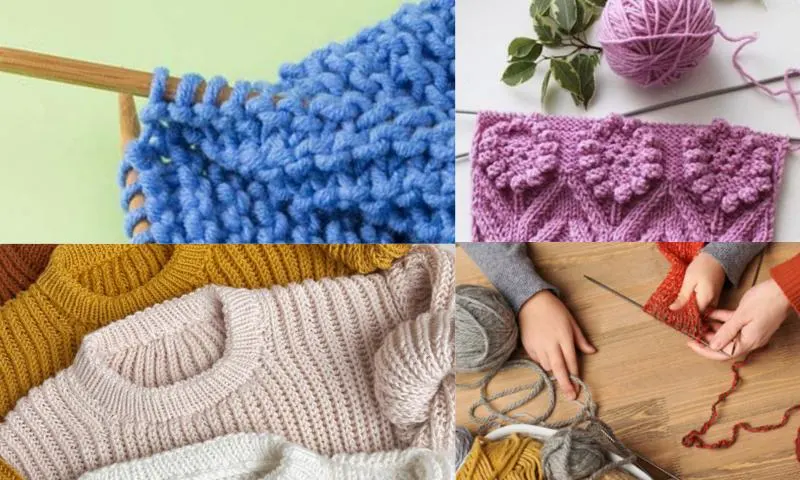
Knitting is a handicraft with a history dating back centuries, holding a significant place in many cultures. Since ancient times, people have produced warm clothing by turning animal wool into yarn. Over time, knitting evolved from a purely functional technique into an aesthetic art form. Popular in medieval Europe, knitting was also recognized as a widespread handicraft in the Ottoman Empire and the Middle East. Although traditionally perceived as an activity primarily for women, historical records show that men have also knitted throughout history. Mariners and shepherds, in particular, utilized knitting techniques to create durable and warm garments. Today, knitting combines traditional methods with modern designs, becoming both a hobby and a professional pursuit. With the resurgence in popularity of handmade products, interest in knitting has grown, with many individuals starting to knit their own clothes and accessories. For information and to ask your questions on this topic, you can explore relevant online companies on the internet and conduct a detailed review there.
Knitting Techniques and Areas of Use
Knitting is an art that can be practiced with various techniques. Classic knitting with two needles and crochet are among the most common methods. Knitting with needles is generally used to produce garments such as sweaters, scarves, beanies, and cardigans, while crochet is more often preferred for making lace, blankets, and accessories. In recent years, specialized knitting techniques like macrame and amigurumi have also gained popularity. Amigurumi is particularly used for making toys for children, whereas macrame is prominent in home decor. The areas of use for knitting are quite extensive. From clothing that provides warmth in cold weather to home decoration, knitting is utilized in many fields. For instance, handmade blankets and tablecloths are chosen as decorative elements that add both style and a personal touch. Additionally, knitted bags, baby toys, and jewelry are among the handmade products. In recent years, with the spread of sustainable fashion concepts, handmade knitted garments have once again become a trend.
Benefits of Knitting and Its Place Today
Knitting is not just a hobby but also an activity that offers numerous benefits to mental and physical health. Research indicates that knitting reduces stress, improves focus, and relaxes the mind. Knitting is recommended as a calming therapy method, especially for individuals with demanding work schedules. By strengthening hand muscles through repetitive motions, knitting also helps develop fine motor skills. Today, knitting is no longer seen as a traditional craft exclusively done by grandmothers; it has transformed into a hobby that attracts people of all ages. Numerous posts related to knitting are shared on social media, and workshops and courses on knitting are organized. Videos teaching knitting techniques on platforms like YouTube and Instagram have become a great resource for beginners. With the increasing interest in handmade products, knitting has also become popular in small businesses and craft markets. In conclusion, knitting is a deep-rooted handicraft that has endured from the past to the present. Preserving its value as both a functional and aesthetic pursuit, knitting is widely used today as a hobby, therapy, and commercial activity. Knitting, whether for personal use or commercial purposes, stands out as an activity that fosters creativity and allows for enjoyable pastime.





