
What is the Place of Knitted Denim Fabric in the Fashion World?
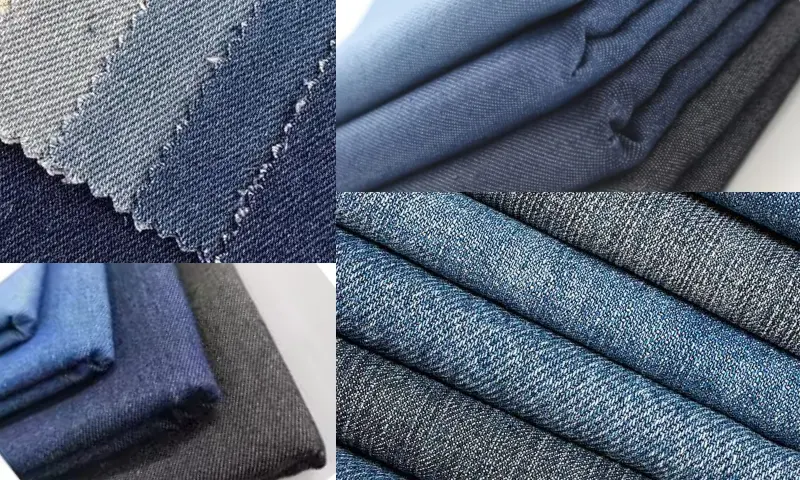
Knitted denim fabric has gained significant attention in the fashion world in recent years. Unlike traditional denim, this special type of fabric is more flexible and comfortable, making it an excellent choice for everyday wear. Knitted denim increases the wearer's freedom of movement while also offering a stylish look. Its thin texture makes it easy to transition between seasons. This fabric, frequently used in jeans, jackets, and skirts, has become the preferred choice for those seeking comfort and style. Knitted denim has solidified its place as a dynamic and innovative part of the fashion world. For information on this topic and to ask your curious questions, you can check out relevant online companies on web pages and examine them in detail from there.
What are the Differences Between Knitted Denim Fabric and Other Fabrics?
Knitted denim fabric has significant differences from traditional woven denim fabric. The most apparent difference is that while woven denim has a tight and rigid texture, knitted denim is flexible and soft. Therefore, knitted denim garments are more comfortable and fit the body better. Additionally, the fact that the yarns used in knitted denim can contain elastane increases freedom of movement. This type of fabric is widely preferred in everyday wear and sportswear. Another important difference is that knitted denim is more commonly used in the fast fashion world because it can be produced more quickly and allows for innovative designs.
How is the Durability of Knitted Denim Fabric?
Knitted denim fabric shows some differences in durability compared to traditional denim. The knitted structure allows the garment to be more flexible, but this elasticity may not always be as durable as traditional denim. It should be remembered that knitted denim garments may have a tendency to wear out faster. However, with proper care and use, the lifespan of knitted denim fabric products can be extended. It is especially important to wash at low temperatures and dry at low spin speeds.